Curious what day-to-day life in Waukegan really feels like? Maybe you want lake access without downtown Chicago prices, or you’re looking for a diverse, welcoming community with solid commute options. You’re in the right place. In this guide, you’ll learn how Waukegan’s lakefront, neighborhoods, amenities, and commute options come together so you can decide if it fits your goals. Let’s dive in.
Waukegan at a glance
Waukegan sits on Lake Michigan at the northern edge of the Chicago metro area, just south of the Wisconsin line. The city blends a working-port heritage with a growing arts scene and ongoing downtown and lakefront revitalization. You’ll see a range of neighborhoods, from historic streets near downtown to more suburban-style blocks inland. It’s a mid-sized, culturally diverse community, which you’ll notice in the restaurants, local festivals, and everyday services.
Lakefront and parks
Living near Lake Michigan is a huge draw. Waukegan’s lakefront gives you space to walk, fish, watch birds, and enjoy the water in warmer months. Public beach areas and the harbor create a natural weekend routine, whether you’re after a quiet sunrise or an afternoon with friends.
Just north, Illinois Beach State Park offers sand dunes, trails, and shoreline views. It is an easy day trip for hiking, biking, or picnics. Inside the city, the Waukegan Park District keeps the calendar full with youth sports, camps, fitness programs, senior activities, and community events across parks, playgrounds, and fields.
Arts, entertainment, and events
If you like live shows, the historic Genesee Theatre is a local landmark for concerts and performances. Downtown murals, gallery spaces, and community arts programs add color and energy as you explore the core. The Waukegan Public Library also runs events and exhibits that make it a civic hub for learning and community life.
Throughout the year, the city and local groups host seasonal gatherings and cultural celebrations. The calendar changes yearly, but you can expect a mix of family-friendly events, holiday activities, and neighborhood festivals. Ray Bradbury’s ties to Waukegan also surface in local pride and occasional literary nods around town.
Food and shopping
Waukegan’s food scene reflects its diversity. You’ll find Latin American favorites, family-owned spots, and a growing list of independent cafes and restaurants downtown and along neighborhood corridors. If you need larger retail or big-box stores, you’ll find plenty along major roads and in nearby Lake County suburbs.
Local small businesses are part of the city’s character. You can run your daily errands at neighborhood shops and still have easy access to more options within a short drive. It’s a practical setup that supports a balanced routine.
Homes and neighborhoods
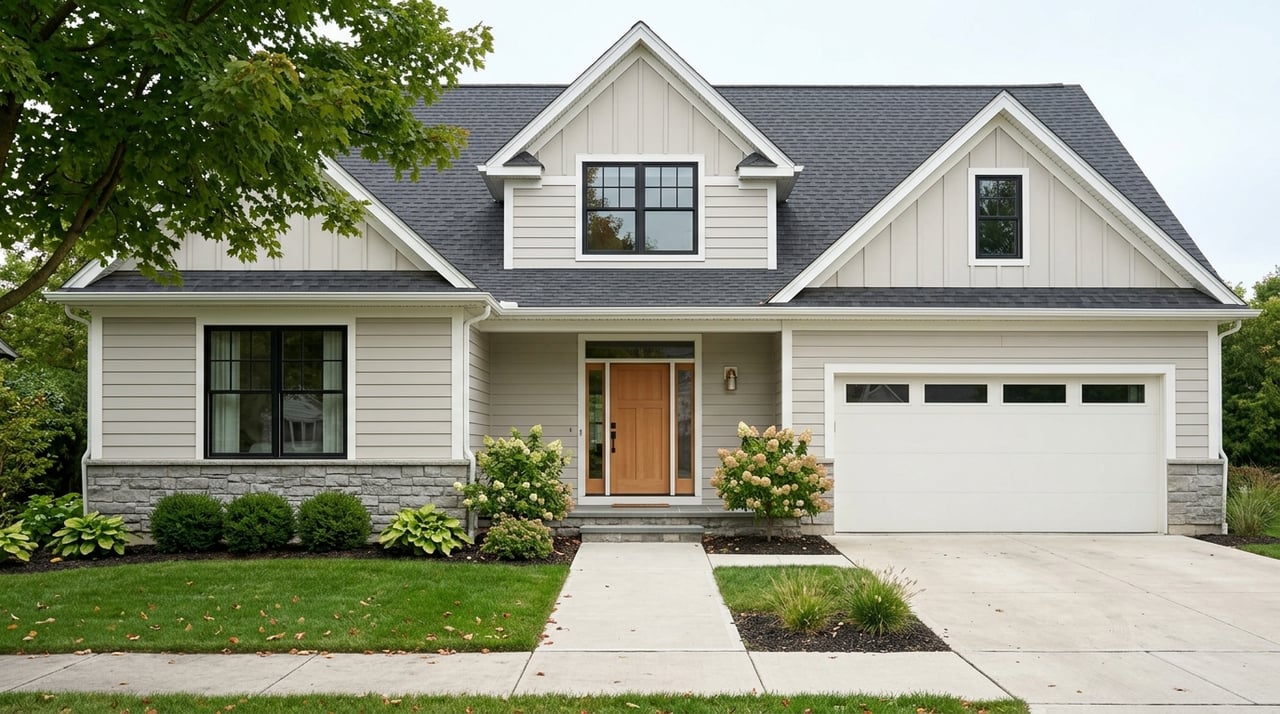
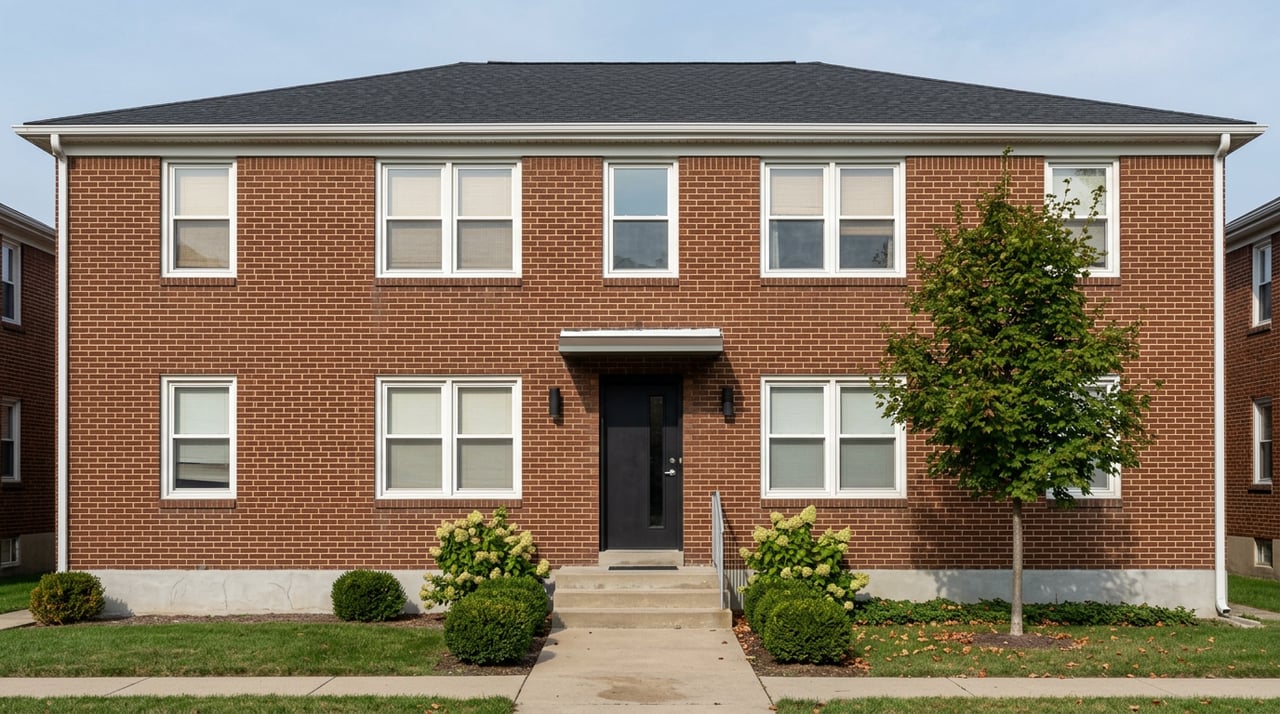
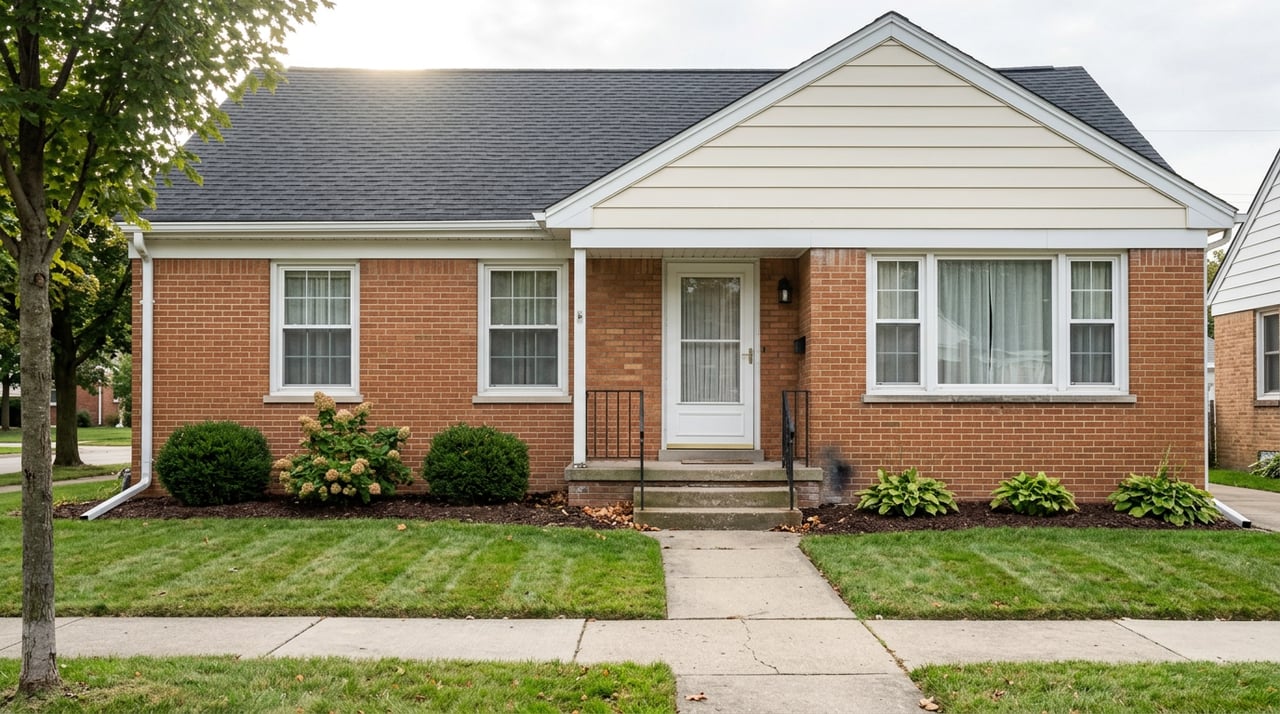
You’ll see a broad mix of housing. Older neighborhoods feature early-20th-century bungalows and Craftsman-style homes. Later developments include mid-century ranches and suburban-style single-family homes. Closer to downtown, you’ll find two-flats, small apartment buildings, and some adaptive-reuse lofts and condos.
Lakefront and harbor-adjacent homes and condos are available at a premium, thanks to views and water access. Inland areas offer a range of price points that tend to be more attainable than many North Shore suburbs. Buyers include first-time homeowners, families seeking more space while staying commutable to Chicago, and investors who see opportunity in Waukegan’s rental market and redevelopment momentum.
Where to start your search
- Downtown and central Waukegan: walkable blocks with arts and entertainment, historic buildings, and some newer residential conversions.
- Near the lake and harbor: proximity to marinas and lakefront amenities, with condos and single-family homes that focus on water access.
- Inland residential areas: a mix of architectural eras, tree-lined streets, and neighborhood parks.
- Edge areas and industrial-adjacent zones: transitional pockets with mixed uses and ongoing redevelopment.
Commute and transportation
For many residents, Metra’s Union Pacific North Line is the go-to for getting to downtown Chicago. Depending on the schedule, the ride is typically around an hour. Weekend and off-peak service is available, and you can check current timetables when you plan your day.
Local and regional Pace bus routes connect neighborhoods to shopping, jobs, and transit hubs. If you drive, major corridors make it straightforward to reach Chicago, the northern suburbs, or southern Wisconsin. O’Hare International is the primary airport for most travelers, with Milwaukee’s General Mitchell as a possible alternative depending on routes and fares.
Schools and learning
Most public K–12 students in Waukegan are served by Waukegan Community Unit School District 60. School programs and boundaries vary, and there are charter and private options in the area. For current performance data and program details like bilingual support or special education, review the Illinois Report Card and district resources.
Nearby, College of Lake County offers community-college classes, workforce training, and continuing education. That makes it convenient if you’re upskilling or starting a new program close to home.
Safety and local services
As with many post-industrial cities, safety can vary by neighborhood and block. Some areas are quieter, while others see more activity and calls for service. If safety is a top priority in your decision, review Waukegan Police Department crime statistics and Lake County resources, and plan visits at different times of day to get a sense of patterns where you are considering a move.
Healthcare, social services, and municipal support are accessible through local providers and county agencies. You’ll find clinics, hospitals in the region, and nonprofit organizations for family and community support.
Cost of living and taxes
Housing costs in Waukegan generally compare favorably with many North Shore communities and parts of Chicago. Utilities and everyday goods align with regional norms, but property taxes vary by parcel and taxing jurisdiction. If you are evaluating a specific address, check the Lake County assessor and treasurer tools to see recent assessments and tax rates.
Because Waukegan is on Lake Michigan, you should also consider flood maps and local building codes if you are purchasing near low-lying areas. A careful review of insurance coverage is a smart step during your inspection period.
A weekend in Waukegan
Start with coffee at a local cafe, then walk the lakefront path for views and fresh air. If you want a bigger nature fix, head north to Illinois Beach State Park for a few miles of trails. Back in town, catch a game at a park, browse a neighborhood shop, or grab tacos or pupusas at a family-run spot.
In the evening, check what is on at the Genesee Theatre or see which community events are happening downtown. On slower days, the library’s programs and exhibits are a low-key way to learn more about the city and meet neighbors.
Who Waukegan fits
- You want Lake Michigan access without a premium price point.
- You prefer a diverse, lively community with authentic small businesses.
- You commute to Chicago or Lake County job centers and value train access.
- You like a variety of home styles, from historic bungalows to modern condos.
- You are open to neighborhoods that are evolving and improving through redevelopment.
Smart steps before you move
- Tour at different times: Visit mornings, evenings, and weekends to understand traffic, sound, and activity.
- Test your commute: Ride the Metra and try your drive during the hours you expect to travel.
- Research schools: Review district and Illinois Report Card resources for the schools tied to your target addresses.
- Review housing details: Ask about age of systems, property taxes, any floodplain considerations, and recent permits.
- Explore amenities: Walk the lakefront, visit parks, and check event calendars to see how the city fits your lifestyle.
Work with a local guide
Finding the right home in Waukegan starts with neighborhood-level insight. You want clear guidance on homes that match your budget and commute, plus a plan to navigate inspections, taxes, and insurance with confidence. Our team brings local market knowledge, national CENTURY 21 reach, and end-to-end support across residential, rentals, multi-family, land, and commercial needs.
If Waukegan is on your radar, let’s map out your move and make the process smooth from search to close. Connect with Elizabeth Scheffler to Start Living Your Vision.
FAQs
Is Waukegan a good fit for lake lovers?
- Yes. You get public lakefront access, beaches, a harbor, and easy trips to Illinois Beach State Park for trails and shoreline.
How long is the train ride from Waukegan to Chicago?
- The Metra Union Pacific North Line typically takes around an hour to reach downtown, depending on the schedule you choose.
What kinds of homes are common in Waukegan?
- You’ll find historic bungalows and Craftsman homes, mid-century ranches, suburban-style single-family houses, two-flats, small apartment buildings, and some downtown lofts and condos.
How does Waukegan compare on housing costs?
- It generally offers more attainable prices than many North Shore suburbs, with premiums near the lakefront and more budget-friendly options inland.
What should I know about schools in Waukegan?
- Most students attend Waukegan Community Unit School District 60. Programs and performance vary, so review district resources and the Illinois Report Card for current data.
Is Waukegan safe?
- Safety varies by neighborhood. Review Waukegan Police Department statistics, compare year-over-year trends, and visit areas of interest at different times to form your own comfort level.