Thinking about buying a rental in North Chicago? With steady demand from the Great Lakes Naval Station and nearby employers, this pocket of Lake County can offer reliable occupancy if you buy and manage with care. You want a clear read on rents, licensing rules, taxes and cash flow before you write an offer. This guide gives you a practical, local checklist to evaluate properties with confidence. Let’s dive in.
North Chicago rental market at a glance
North Chicago sits on Lake Michigan in Lake County with quick access to Kenosha, Waukegan and Gurnee. The city highlights ongoing redevelopment and business activity on the municipal site, which is useful context as you track investment and permitting updates from the City of North Chicago.
- Values: Zillow’s Home Value Index for North Chicago was about 205,000 dollars as of late February 2026. Use recent MLS comps for any offer price.
- Rents: Consumer platforms show typical 1 to 2 bedroom rents in the mid 1,000s to upper 1,800s depending on size and finish. Always verify with current listings and a rent opinion before underwriting.
- Vacancy: Multi‑year ACS estimates for ZIP 60064 show vacancy near 10 percent, which is higher than national averages and a reason to underwrite with a realistic buffer. You can review ZIP‑level context on ZIP‑Codes.com’s 60064 page.
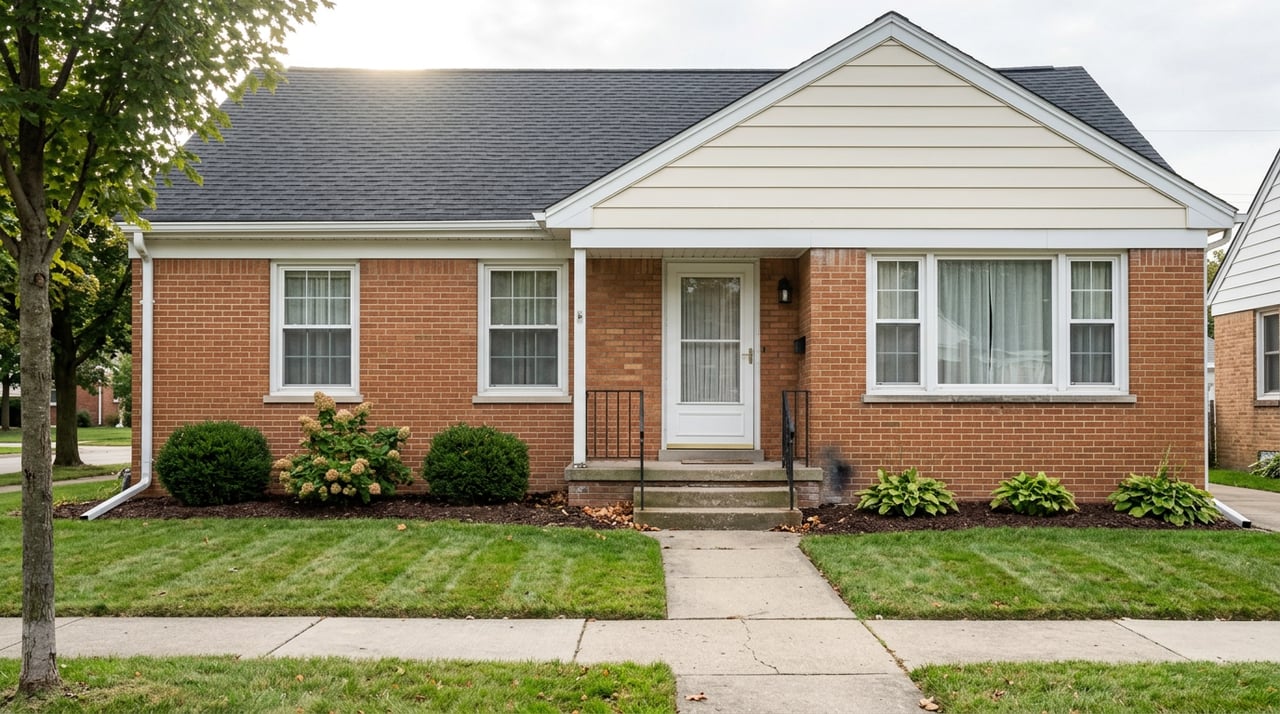
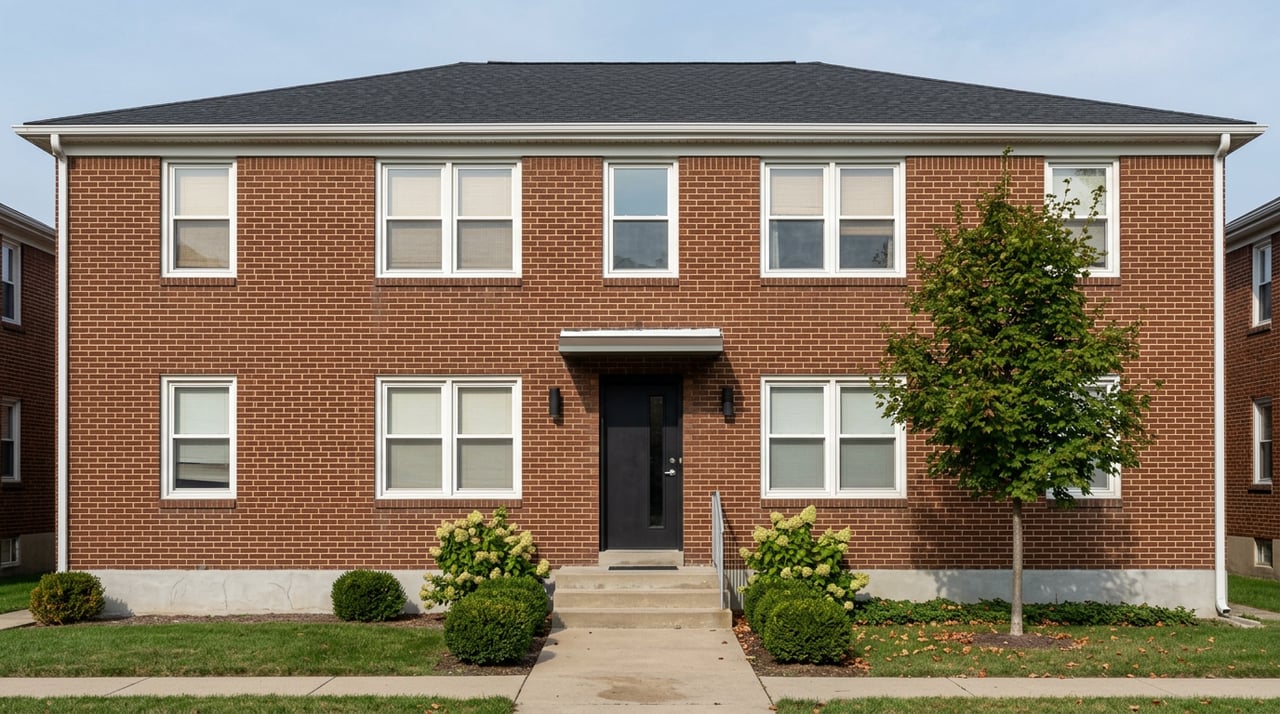
- Housing mix: The area includes both single‑family homes and many small multi‑family buildings, which means you will see a range of options from SFR to two‑flats and small apartment properties.
The takeaway: run local comps, allow for meaningful vacancy and turnover, and treat taxes as a major driver in your expense line.
Demand drivers that fill units
Great Lakes Naval Station
Naval Station Great Lakes is the Navy’s largest training installation and the only boot camp. The base brings thousands of service members, civilian staff and contractors to the area throughout the year, creating steady rotational demand around the station and Metra stops. Learn more about the base’s footprint on the NAVSTA Great Lakes site.
Healthcare and graduate medical anchors
The Captain James A. Lovell Federal Health Care Center and Rosalind Franklin University add consistent employment and training activity. That means potential tenants include clinicians, trainees, graduate students and visiting families. See contact details and context from the Lovell Federal Health Care Center.
AbbVie’s manufacturing presence
AbbVie’s North Chicago and Abbott Park operations continue to invest locally. A 2026 announcement highlighted a significant manufacturing expansion that is expected to add jobs, which can support rental demand for working households. Read the state’s AbbVie manufacturing expansion announcement.
Transit and commuter access
Metra’s Great Lakes station on the UP‑North line connects tenants to Chicago and lakefront suburbs, broadening your renter pool. Check schedules and zone info for the Metra Great Lakes station. Regional highways I‑94 and US‑41 make commuting to Lake County and Kenosha workplaces straightforward.
What to buy: property types that work here
North Chicago offers a practical mix for investors:
- Single‑family rentals. Simple to manage and finance. Focus on functional layouts, off‑street parking and proximity to transit or major employers.
- Small multi‑family (2–4 units). Often stronger cash‑on‑cash returns if well maintained and fully occupied. Watch unit mix and individual utilities.
- Small apartment buildings and townhomes. More operational complexity and different underwriting, but potential economies of scale if you have management in place.
Many properties are older, which can mean charm and value, but also code updates. Budget for repairs that may be required during city inspections.
Local rules, licensing and inspections
Before you lease, North Chicago requires a Certificate of Rental Occupancy and a landlord license. The city enforces inspections on a two‑year cycle and has a detailed checklist that covers life safety items, smoke detectors and other code requirements. Review the current Sales and Rental Inspection Checklist and plan for fees and any corrective work.
If a property will be vacant for an extended period or is in foreclosure, registration rules apply. Confirm all steps with the city’s Economic and Community Development office early in your process.
Lead‑based paint on older homes
For properties built before 1978, federal rules require lead disclosure to tenants and lead‑safe work practices for renovations that disturb painted surfaces. Review the EPA’s overview of the Lead‑Based Paint Disclosure Rule and factor in the cost of RRP‑compliant work when planning a rehab.
Taxes and major operating costs
Property taxes are a major factor in Lake County underwriting. Data firms have placed Lake County’s effective property tax burden above 2 percent in recent findings. See a county comparison snapshot in ATTOM’s report on counties with the highest effective property tax rates. Always pull the current tax bill and assessment history for the specific property from the Lake County Assessor and run sensitivity cases for tax changes.
Other cost lines that can swing results include insurance, utilities if owner‑paid, and professional management fees. If you are near the lakefront or low‑lying areas, check flood insurance needs as part of your quote process.
Run the numbers with a simple model
Here is a quick framework to evaluate any rental in North Chicago:
- Gross Scheduled Rent equals market rent times number of units times 12.
- Subtract Vacancy and Credit Loss. Given ZIP‑level estimates near 10 percent, set a realistic allowance and stress test at higher levels.
- Effective Gross Income equals Gross Scheduled Rent minus Vacancy.
- Operating Expenses include property taxes, insurance, utilities if owner‑paid, repairs and maintenance, management, leasing and advertising, legal and accounting, and reserves for capital projects.
- Net Operating Income equals Effective Gross Income minus Operating Expenses.
- If financing, subtract annual debt service to get Cash Flow Before Taxes.
Tips to keep your underwriting conservative:
- Use MLS sales for comps and current listings for rent checks. Avoid relying on a single aggregator number.
- Build three scenarios for rent, vacancy and rate sensitivity so you know your break‑even points.
- Confirm lender requirements for investment properties, including down payment, rates and debt coverage tests. If you plan to occupy one unit in a 2 to 4 unit building, financing terms may differ.
Due diligence checklist before you offer
Work this list as you narrow your targets:
- Confirm city requirements for the Certificate of Rental Occupancy and landlord licensing. Review the inspection checklist so you can price likely repairs.
- Pull the current tax bill and assessment history from Lake County. Treat property taxes as a core underwriting lever.
- Verify rents with active comps. For tenant segments near the base, hospital or university, account for possible higher turnover and seasonality.
- Order inspections. General home, roof, HVAC and electrical are standard. Add lead testing on pre‑1978 homes and targeted mold or pest checks if you see red flags.
- Check flood risk and insurance quotes, especially for properties near Lake Michigan or low‑lying areas.
- Review utility setup and payment responsibility by unit. Separately metered gas and electric can improve net income in multi‑family.
- Request the rent roll, lease copies, utility history, recent permits and any city inspection reports from the seller.
Positioning your rental for the market
Target your property features to known demand drivers. Proximity to Metra, the base, the health center or major employers can support occupancy. Clean, well‑lit common areas, responsive maintenance and clear parking arrangements help with retention, especially in small multi‑family buildings.
Pricing matters. Set rent based on current comps for your unit size and finish level. If you target rotating tenants tied to the base or healthcare, plan for professional photos, flexible showing times and fast digital application systems to minimize downtime between leases.
Your next step
If North Chicago fits your investment goals, focus on two things. First, get precise on numbers by pairing MLS comps with real tax bills and a realistic vacancy allowance. Second, understand the city’s licensing and inspection process so you can close, renovate as needed, and deliver a compliant, market‑ready rental.
Ready for local guidance, vetted comps and a smooth plan from offer to lease‑up? Connect with Elizabeth Scheffler to map your next North Chicago rental move.
FAQs
What makes North Chicago attractive for rental property investors?
- The city draws steady tenant demand from Naval Station Great Lakes, the Lovell health center and Rosalind Franklin University, and it offers a mix of single‑family and small multi‑family properties at approachable price points.
How should I underwrite vacancy in North Chicago ZIP 60064?
- Multi‑year ACS estimates show vacancy near 10 percent, so use a realistic allowance in your pro forma and stress test at higher levels to protect cash flow.
Do I need a license to rent out a home in North Chicago?
- Yes. The city requires a Certificate of Rental Occupancy and a landlord license, with inspections on a two‑year cycle. Review the city’s inspection checklist and budget for any required repairs.
Are there special rules for older homes in North Chicago?
- Yes. For pre‑1978 housing, federal lead‑based paint disclosure rules and lead‑safe renovation practices apply when you disturb painted surfaces during repairs or updates.
How do property taxes affect cash flow in Lake County?
- Lake County’s effective property tax rates rank among the higher counties nationally, so pull the current tax bill and run sensitivity cases. Taxes are often your largest expense line after debt service.