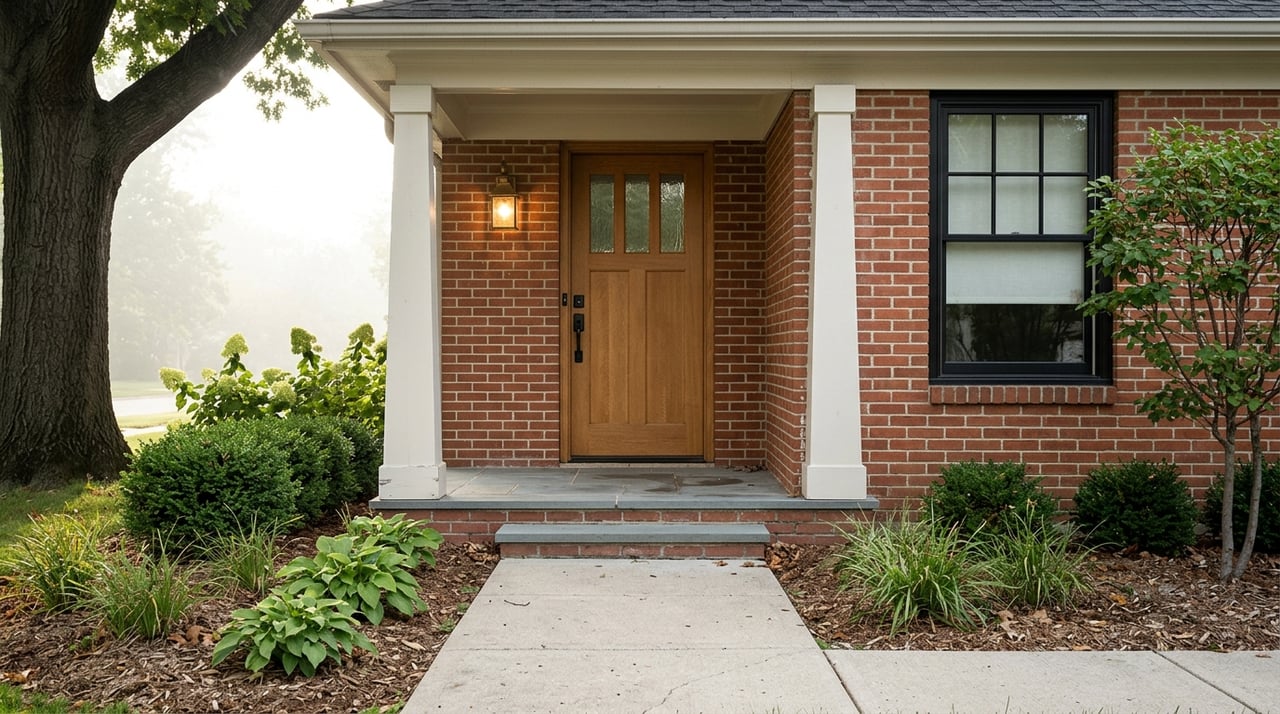
Wondering whether a historic home or a newer house is the better fit in Libertyville? It is a smart question, because in this village, older and newer homes often come with very different layouts, lot sizes, and approval processes for future changes. If you want to understand how Libertyville’s housing patterns affect your lifestyle, renovation plans, and home search, this guide will help you compare the options clearly. Let’s dive in.
Why Libertyville Has Two Distinct Housing Types
Libertyville is a well-established community in south central Lake County, and the Village describes it as largely built out. That matters because future housing growth is expected to come mostly from infill and redevelopment, not from large areas of undeveloped land.
In practical terms, that means you will often see a real contrast between older homes near the traditional downtown core and newer homes in postwar or more recent subdivision settings. These are not just different ages of homes. They reflect different planning patterns, lot sizes, and neighborhood designs.
Older Homes Near Downtown
Libertyville’s older housing is concentrated near downtown and in nearby traditional neighborhoods built primarily before World War II. The Village describes these areas as walkable and shaped by older vernacular housing types rather than uniform subdivision design.
You may find styles such as Gable-Front homes, Craftsman Bungalows, American Foursquares, and Queen Anne homes. For many buyers, that architectural variety is a big part of the appeal.
What the Setting Feels Like
The Village’s Traditional Residential classification offers a useful picture of what many older downtown-adjacent blocks are like. These areas typically reflect relatively compact lots of about 7,200 to 7,500 square feet, front setbacks around 30 feet, and homes that are roughly 1 to 2.5 stories tall.
That scale helps explain why some older Libertyville streets feel closer-knit, more walkable, and visually consistent. Homes often sit in a pattern that creates a more traditional streetscape than you may find in newer suburban sections.
Historic District Status Matters
Downtown Libertyville also includes a locally designated historic district that was listed on the National Register of Historic Places in April 2025. The district includes buildings and sites that contribute to a distinct sense of time and place.
At the same time, not every property in the district carries the same level of historical significance. The Village notes that the district includes both contributing and non-contributing properties, so two homes in the same general area may not have identical preservation implications.
What Buyers Should Know About Exterior Changes
If you are thinking about an older home, it is important to look beyond charm and layout. You should also understand what may be required if you plan to change the exterior.
In Libertyville’s Historic District, exterior changes generally require a Certificate of Appropriateness. The Historic Preservation Commission reviews alterations, construction, demolition, and relocation for landmarks and for properties within the district.
Even Modern Upgrades Can Require Review
Some buyers assume review only applies to major restoration work, but the Village’s guidance shows that the process can apply more broadly. Even solar panel projects in the historic district may require a pre-application conference, Certificate of Appropriateness review, Village Board approval, and then building permit steps if approved.
That does not mean improvements are impossible. It means you will want to understand the process early, especially if your long-term plan includes visible exterior updates.
Newer Homes and Postwar Neighborhoods
Libertyville’s newer single-family housing is described by the Village as mostly post-World War II construction. Common home types include Colonials, Cape Cods, Ranch homes, and Split-Levels.
These homes are typically located in conventional subdivision neighborhoods with larger lots, longer blocks, and either gridded or curvilinear street patterns. The result is a different feel from the older downtown area.
What the Layout Usually Offers
For buyers comparing daily lifestyle, the biggest difference may be the overall development pattern. Newer areas are more likely to offer larger yards, more separation between homes, and a street network that is more oriented around driving.
The Village’s Large Lot Residential category helps illustrate the newer end of the market. It describes detached homes on the periphery of the Village with lot sizes typically ranging from 40,000 to 80,000 square feet, along with access to parks and open space.
Do Newer Homes Have Fewer Rules?
In many cases, newer homes do not come with the same historic-review framework as properties in the historic district. Still, that does not mean owners can make changes without Village review.
Libertyville’s Planning Division notes that residents regularly work with staff to review lot coverage, height, and the size of new structures. A plat of survey is needed for accurate calculations, and lot coverage review can apply to features like driveways, patios, sidewalks, pools, firepits, and retaining walls.
Renovation Rules Still Matter
If you plan to build an addition or make major site changes, newer neighborhoods still come with a process. Construction permits and planning review can be part of the path, even when the property is outside a historic area.
For buyers, this is a helpful reminder: newer does not always mean unrestricted. It usually means a different type of review.
How To Compare Historic And Newer Homes
If you are deciding between an older home and a newer one in Libertyville, it helps to compare them by lifestyle, not just by square footage or year built. Each option can serve a different set of priorities.
| Feature | Older Libertyville Homes | Newer Libertyville Homes |
|---|---|---|
| Typical location pattern | Near downtown and traditional neighborhoods | Conventional subdivisions and peripheral areas |
| Common styles | Gable-Front, Craftsman Bungalow, American Foursquare, Queen Anne | Colonial, Cape Cod, Ranch, Split-Level |
| Typical lot pattern | Around 7,200 to 7,500 square feet | Often much larger, with some large-lot areas at 40,000 to 80,000 square feet |
| Streetscape feel | Walkable, tighter blocks, traditional scale | Longer blocks, more separation, more auto-oriented |
| Exterior review | Historic district review may apply | Planning and permit review may still apply |
Which Home Type Fits Your Priorities?
If you are drawn to architectural character, a traditional block pattern, and being closer to the downtown core, an older Libertyville home may feel like the right match. These homes can offer a distinct sense of place, but they may also require more planning if you want to change the exterior.
If you want a larger lot, a more standardized subdivision layout, or a home from a later construction era, a newer property may better align with your goals. You may still need approvals for additions and site improvements, but the process is different from historic preservation review.
Why Local Guidance Helps In Libertyville
Because Libertyville is largely built out, available homes often reflect the character of existing neighborhoods rather than brand-new large-scale development. That makes it especially important to understand not just the home itself, but the surrounding planning context.
When you know how lot size, housing style, and Village review processes vary from one part of Libertyville to another, you can make a more confident decision. Whether you are comparing a bungalow near downtown or a postwar home on a larger lot, local insight can save you time and reduce surprises.
If you are weighing historic charm against newer-home convenience in Libertyville, Elizabeth Scheffler can help you compare your options and move forward with clarity.
FAQs
What are historic homes in Libertyville usually like?
- Older Libertyville homes are generally concentrated near downtown and nearby traditional neighborhoods, with styles such as Gable-Fronts, Craftsman Bungalows, American Foursquares, and Queen Anne homes.
What are newer homes in Libertyville usually like?
- Newer Libertyville single-family homes are mostly post-World War II and often include Colonials, Cape Cods, Ranch homes, and Split-Levels in conventional subdivision settings.
Do older homes in Libertyville have smaller lots?
- In many traditional residential areas near downtown, the Village uses lot sizes of about 7,200 to 7,500 square feet as a planning reference for that older housing pattern.
Do newer homes in Libertyville have larger lots?
- In Libertyville’s large-lot residential areas, detached homes can sit on lots that typically range from 40,000 to 80,000 square feet.
Do exterior changes to historic homes in Libertyville require approval?
- Yes, if a property is in the Historic District or is a landmark, exterior changes generally require a Certificate of Appropriateness and review by the Historic Preservation Commission.
Are all downtown homes in Libertyville equally protected?
- No, the historic district includes both contributing and non-contributing properties, so historic significance can vary by parcel.
Do newer homes in Libertyville avoid all Village review?
- No, newer homes can still be subject to planning and permit review for lot coverage, height, additions, and site improvements.
What is the biggest difference between older and newer Libertyville homes?
- The main difference is usually lifestyle and development pattern: older areas are more walkable and character-focused, while newer areas tend to offer larger lots, more conventional subdivision design, and more recent construction.