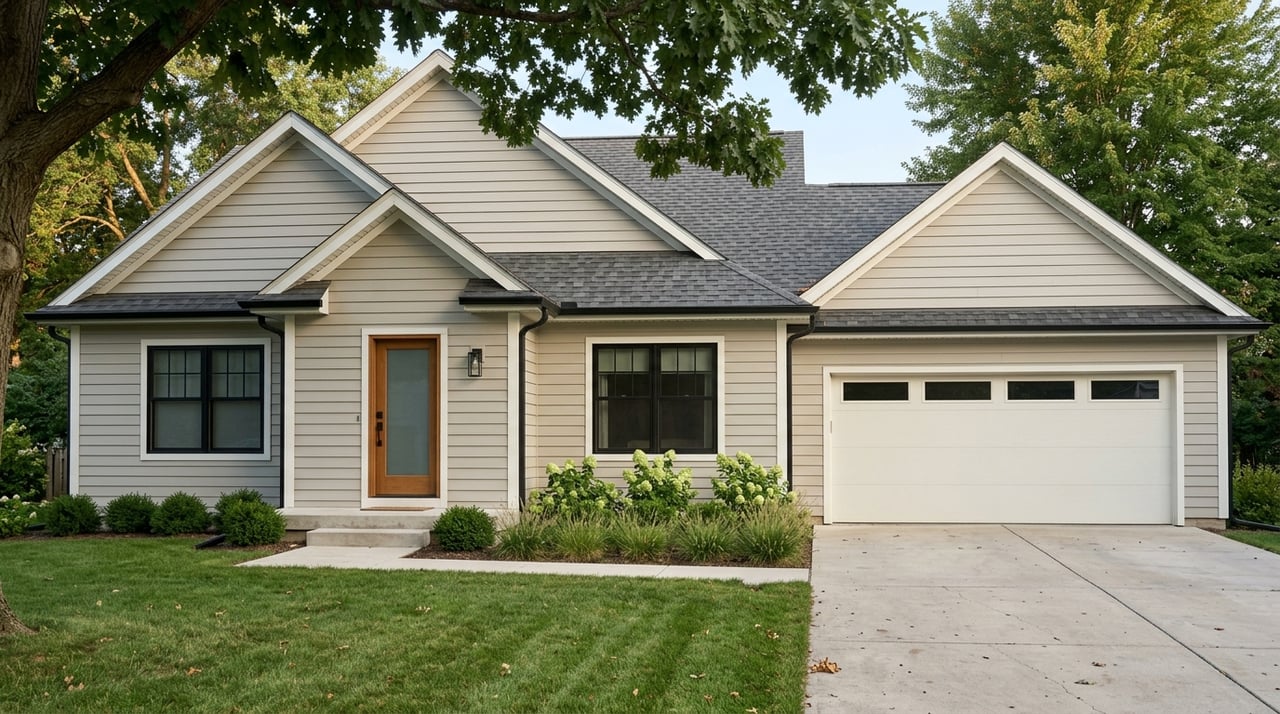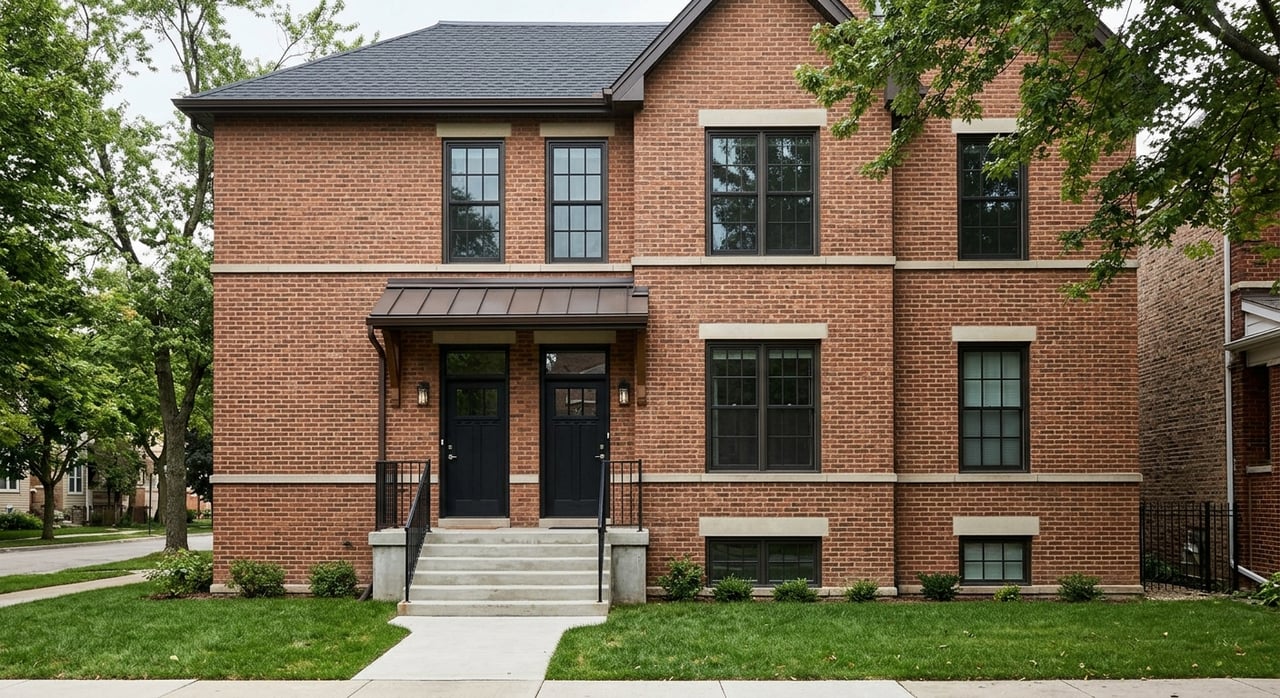
Wondering whether a 2-flat, 3-unit, or 4-unit property in North Chicago is a smart buy? You are not alone. Multi-unit properties can offer flexible living, rental income, and long-term upside, but they also come with more moving parts than a typical single-family home. If you are thinking about buying in North Chicago, this guide will help you evaluate the numbers, the property condition, and the local rules with more confidence. Let’s dive in.
Why North Chicago Stands Out
North Chicago is one of the more relevant places in Lake County to talk about small multi-unit housing. In 2023, 22.3% of housing units were in 2-to-4-unit structures, which is much higher than the 5.8% share across Lake County. That makes small multifamily a meaningful part of the local housing stock rather than a rare niche.
The city is also heavily renter-occupied. In 2023, 66.7% of occupied households were renter-occupied, and the median gross rent was $1,392. For buyers evaluating income property, that means tenant demand, unit condition, and realistic rent assumptions all matter from day one.
Investor interest has also been notable. CMAP reported that 16.8% of residential sales in 2022 were purchased by investor buyers, compared with 6.5% in Lake County overall. In a market like this, solid underwriting and careful due diligence can help you avoid overpaying for projected income that may not hold up.
Start With the Property Type
Before you look at rent projections, make sure you know exactly what you are buying. In North Chicago, it is important to confirm whether the property is legally configured as a 2-unit, 3-unit, or 4-unit building and whether the city recognizes that use.
The city zoning ordinance defines duplexes and multiple-family dwellings. That means the building’s actual layout, lot setup, and use should match what the parcel is allowed to be. If a property is being marketed as a multi-unit but its legal status is unclear, that can affect financing, renovations, and future rental plans.
Evaluate the Building’s Age and Condition
North Chicago’s housing stock is older than many nearby suburbs. The median year built is 1972, and 18.5% of units were built in 1939 or earlier. Older buildings can be attractive from a value standpoint, but they often require a closer look at major systems and deferred maintenance.
When you tour a multi-unit property, pay close attention to:
- Roof condition
- Plumbing and drain lines
- Electrical service and panel updates
- Windows and insulation
- Foundation issues
- Common areas and exterior stairs
- Signs of water intrusion
- Heating systems for each unit
In an older property, repair costs can quickly change the investment picture. A building that looks affordable on paper may need significant work after closing, so condition should always be part of your valuation.
Look at Demand Drivers Nearby
A good multi-unit property is not just about the building. It is also about the reasons renters choose the area. In North Chicago, several major institutional employers help support local housing demand.
Official sources identify AbbVie’s headquarters in North Chicago, the Captain James A. Lovell Federal Health Care Center, and Naval Station Great Lakes as important nearby employment anchors. These types of employers can help support steady renter interest, especially when a property also offers convenient commuting options.
Transit is another local advantage. Metra’s Union Pacific North line includes North Chicago and Great Lakes stops, and CMAP reports that 76.4% of North Chicago residents and jobs were in high transit availability areas. For a landlord or owner-occupant, access to transit can be a practical factor in tenant convenience and marketability.
Underwrite the Rent Conservatively
One of the biggest mistakes buyers make is assuming every unit will rent at the top of the market right away. In North Chicago, conservative math matters. The city has a large renter base, but it also has a meaningful share of renters facing housing cost pressure, with 28.4% of renter households severely cost burdened.
That does not mean you should avoid multi-unit properties. It means you should test the deal with realistic assumptions instead of optimistic ones. A simple monthly cash-flow framework looks like this:
- Gross scheduled rent
- Minus vacancy allowance
- Minus operating expenses
- Minus debt service
- Equals monthly cash flow
Your operating expenses may include:
- Property taxes
- Insurance
- Repairs and maintenance
- Owner-paid utilities
- Property management, if applicable
- Reserve funds for future capital replacements
A useful stress test is to ask yourself whether the property still works if one unit sits vacant for a period or if actual rents come in below expectations. That question is especially important in a renter-heavy market.
Understand Financing for 1-to-4 Units
If you plan to live in one unit, owner-occupant financing may open more options. HUD states that FHA financing can be available for 1-to-4-unit properties, with down payments as low as 3.5% for qualified buyers.
There is one important detail for larger small multifamily purchases. For 3-unit and 4-unit FHA purchases, the handbook applies a self-sufficiency test. In simple terms, the property’s monthly principal, interest, taxes, and insurance cannot exceed the net self-sufficiency rental income as calculated under FHA rules.
That means a 3-flat or 4-flat that looks good at first glance may still fail the financing test if the rent does not support the payment. Before you get attached to a property, make sure your lender reviews the scenario carefully.
Review Local Licensing and Inspection Rules
In North Chicago, evaluating a multi-unit property means looking beyond the purchase price and rent roll. The city requires an annual landlord license for residential rental properties, and inspections are required every two years to obtain the certificate of compliance.
The city also states that owners, managers, or designees must use a crime-free lease addendum or a similar lease clause. In addition, residential rental properties with four or more units must have a Knox Box for Fire Department access. These are not small details. They can affect your setup costs, compliance timeline, and readiness to rent units legally.
The city’s inspection application also notes that occupied rental units must have the tenant present, or the owner must provide a notarized permission letter. It further states that a certificate of occupancy must be obtained before the premises or structure is used. If a property is vacant, the application says it must be registered through the city’s HERA registry portal.
Pay Attention to Renovation and Exterior Standards
If you plan to improve a multi-unit property, design and exterior requirements may shape your budget. North Chicago’s multi-family design guidelines for infill development emphasize compatibility with nearby buildings, street-facing entries and porches, rear garages where practical, and exterior materials that include at least 25% modular brick or stone.
The guidelines also exclude vinyl and aluminum siding for multi-family buildings. For buyers planning a heavy renovation or exterior rework, those standards can influence material choices, permit planning, and total project cost.
Watch for Lead and Older-Home Risks
Because many North Chicago properties were built before modern building standards, lead safety should stay on your radar. EPA rules require disclosure of known lead-based paint or lead hazards before the sale or lease of most pre-1978 housing.
If the building’s age suggests lead may be relevant, plan for proper inspection and lead-safe renovation practices. This is especially important if you are budgeting updates to windows, trim, walls, or other painted surfaces.
Gather the Right Due Diligence Documents
A good evaluation depends on more than a showing and a quick glance at the numbers. Before closing on a small multi-unit property, ask for documents that help verify income, expenses, and compliance.
The most useful items usually include:
- Current rent roll
- Copies of all leases
- Utility bills
- Recent repair invoices
- Insurance declarations
- Property tax bills
- Any city inspection records
These records can help you and your lender, inspector, and CPA understand what the property is really doing, not just what the listing suggests it could do.
Questions to Ask Before You Buy
If you want a simple way to pressure-test a deal, start with a few practical questions:
- Is the property legally recognized as a 2-unit, 3-unit, or 4-unit building?
- Do the current rents match the actual condition and location of the property?
- Can the numbers still work if one unit is vacant for a time?
- Are there deferred maintenance items that could affect your budget in the first year?
- Does your financing plan fit your income, debts, and cash reserves?
- Are there any city inspection, licensing, occupancy, or lead-related issues that could delay your plans?
Those questions can save you from chasing a building that looks promising online but creates avoidable problems after closing.
What a Strong Opportunity Looks Like
In North Chicago, the best multi-unit opportunities are usually the ones that balance legal use, realistic rent assumptions, manageable repair needs, and local compliance. A great deal is not always the one with the highest projected income. Often, it is the one with the clearest path to stable operation.
If you are buying as an owner-occupant, the right property can help you offset your housing costs while building long-term equity. If you are buying strictly as an investor, the local numbers need to make sense under conservative assumptions, not just best-case projections.
When you want a local perspective on multi-family opportunities in Lake County, working with someone who understands North Chicago’s housing mix, investor activity, and city requirements can make the process much smoother. If you are ready to evaluate your options, connect with Elizabeth Scheffler to start moving forward with clarity.
FAQs
What makes North Chicago a notable market for multi-unit properties?
- North Chicago has a high share of 2-to-4-unit housing, with 22.3% of housing units in that category in 2023, plus a renter-heavy market that makes small multifamily especially relevant.
What should you check first when evaluating a North Chicago multi-unit property?
- You should first confirm that the property is legally configured and recognized by the city as a 2-unit, 3-unit, or 4-unit building before relying on rent or renovation plans.
What local rules affect North Chicago rental property owners?
- North Chicago requires an annual landlord license for residential rental properties, inspections every two years for a certificate of compliance, and additional requirements such as a Knox Box for properties with four or more units.
What financing issue matters for North Chicago 3-unit and 4-unit FHA purchases?
- FHA rules apply a self-sufficiency test to 3-unit and 4-unit properties, so the property’s net rental income must support the monthly housing payment under FHA guidelines.
What due diligence documents matter most for a North Chicago multi-unit purchase?
- Key documents include the rent roll, leases, utility bills, repair invoices, insurance declarations, tax bills, and any city inspection records.
What property condition issues are common in older North Chicago multi-unit buildings?
- Because the housing stock is relatively old, you should look closely at roofs, plumbing, electrical systems, insulation, and signs of deferred maintenance or lead-related concerns in older buildings.