Thinking about trading Chicago’s fast pace for more space in Libertyville or elsewhere in Lake County? You are not alone, and the move can feel exciting and a little complicated at the same time. If you want a clear picture of what really changes, from commuting and home options to everyday routines, this guide will help you plan with confidence. Let’s dive in.
Why the move feels different
Moving from Chicago to Libertyville is not just a change of address. It is a shift from a city of about 2.72 million people to a village of 20,643, within a county of 718,604. That difference in scale shapes everything from traffic patterns to how local errands feel day to day.
Libertyville describes itself as a largely built-out residential community and a service center for central Lake County. In practical terms, that often means a more suburban, ownership-heavy setting instead of another dense urban neighborhood. If you are leaving Chicago, you will likely notice a more local, neighborhood-based rhythm pretty quickly.
What housing looks like in Libertyville
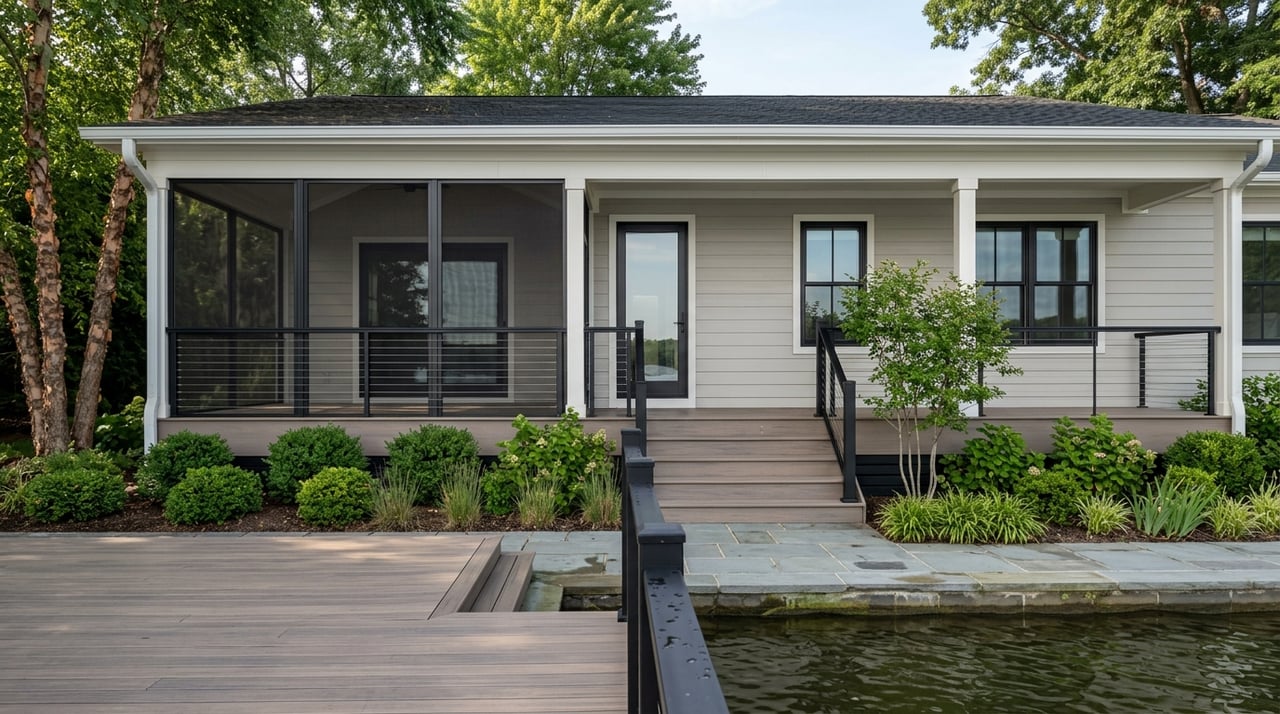
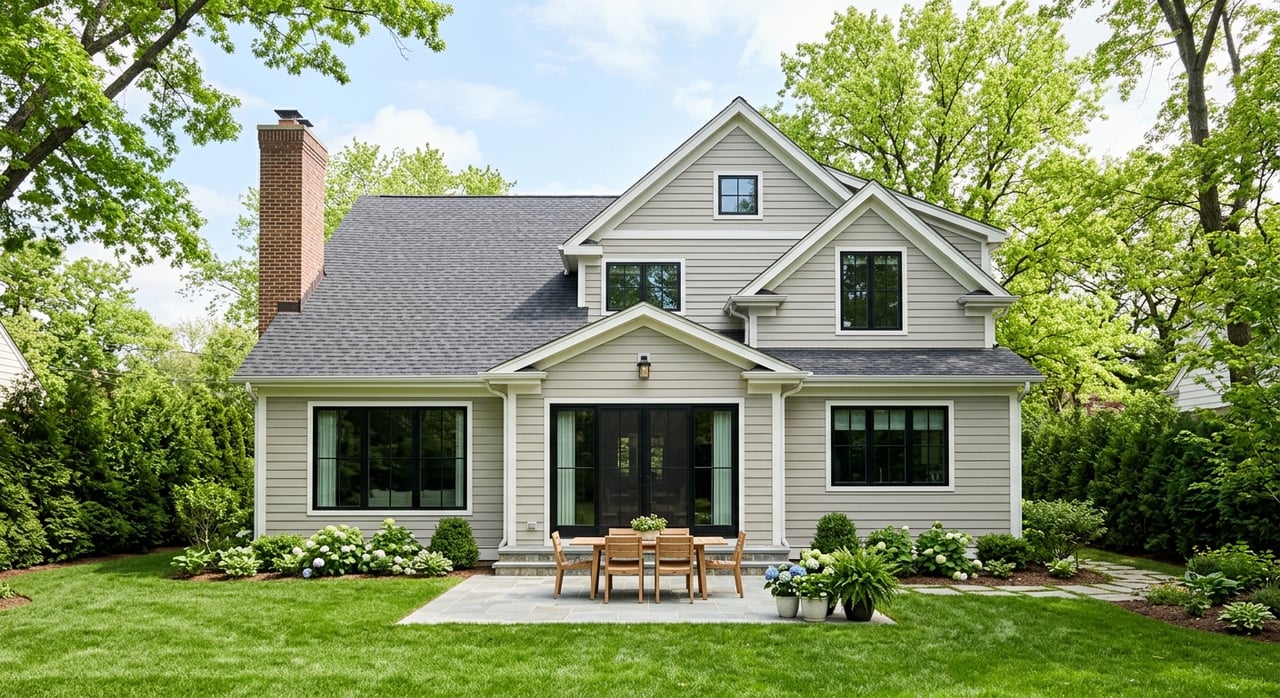
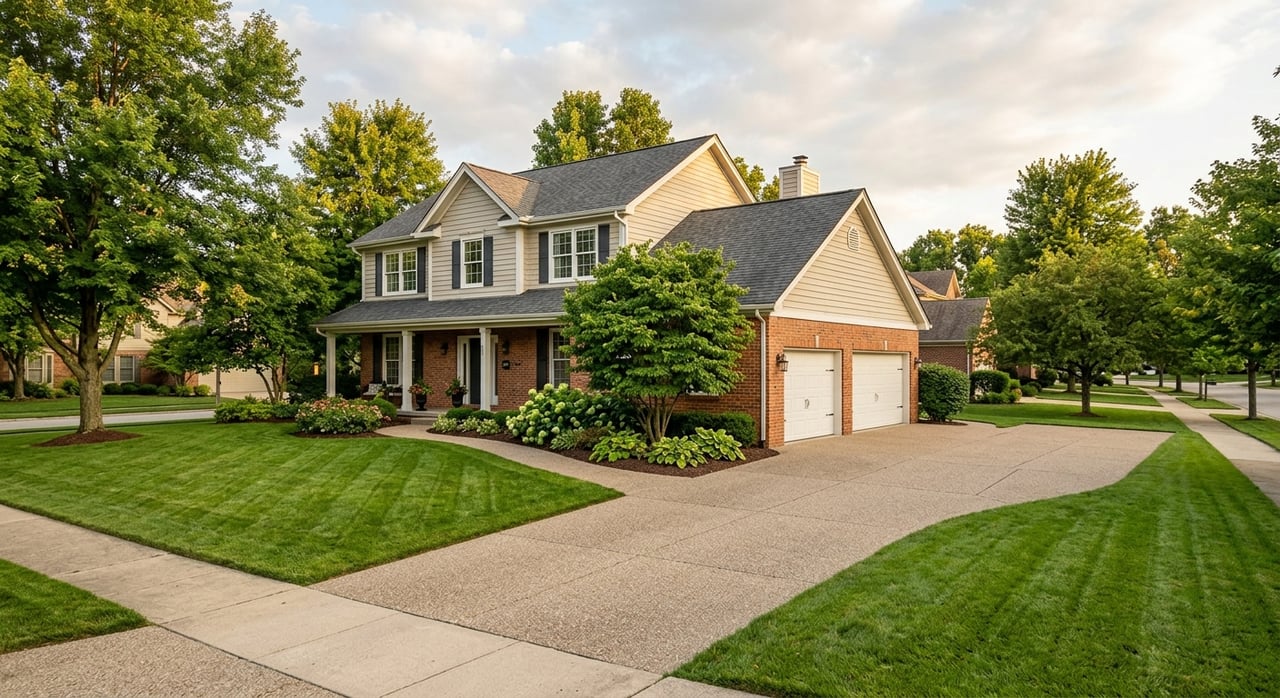
One of the biggest reasons people relocate from Chicago to Libertyville is space. Libertyville’s housing stock is mostly detached single-family homes, which made up about 70% of homes in the village in the 2016 comprehensive plan. Single-family attached homes accounted for about 9%, while multifamily represented about 21%.
That does not mean your only choice is a large house on a big lot. Higher-density multifamily options are more likely near downtown, transit stations, and commercial corridors. Larger-lot residential areas tend to sit more on the village periphery, so your options can vary a lot depending on where you focus your search.
Lot sizes can vary more than you expect
Libertyville’s zoning standards show just how wide the range can be. Minimum lot areas run from 80,000 square feet in some residential districts to 7,200 square feet in others. Minimum lot widths range from 200 feet down to 60 feet.
For you as a buyer, that means Libertyville can offer estate-style parcels, classic suburban yards, and smaller in-town lots within the same community. If you are used to Chicago’s tighter housing footprint, many homes here may feel like a real jump in outdoor space.
Resale homes are a major part of the market
Because Libertyville is largely built out, resale homes play a big role in the market. Renovations and occasional teardown or rebuild projects are also part of the local housing picture. Large-scale greenfield development is not the main story here.
That matters if you are hoping for brand-new construction. New construction does exist, but the village’s plan shows a lower pace of home permits in recent years compared with the early 2000s. In many cases, your best fit may be an existing home with the layout, lot, or location you want.
What prices may look like
Your budget may stretch differently in Libertyville than it did in Chicago, but it is important to set expectations. Current Census data place Libertyville’s median owner-occupied home value at $512,000. That is higher than both Lake County overall at $345,700 and Chicago at $334,100.
The village also lists a median detached home value of $453,000 and a median attached home value of $280,000. That gap can help you think through your options. If you want to enter the market at a lower price point, an attached home may offer a practical path, while detached homes often come with more space and privacy.
Ownership is much more common here
Another major shift is how ownership shapes the community. Libertyville’s owner-occupied housing rate is 80.3%, compared with 46.0% in Chicago. Lake County also leans strongly toward ownership at 74.8%.
That does not mean renting is off the table. Census data show a median gross rent of $1,637 in Libertyville, and rentals do exist. Still, the overall housing profile is more ownership-oriented than what many Chicago residents are used to.
Can you still commute to Chicago?
Yes, you can still commute to downtown Chicago from Libertyville, but it helps to rethink what “commute” means. This is not the same as hopping on the CTA for a short city trip. A suburban commute often requires more door-to-door planning, especially if you are balancing parking, train timing, or a drive to the station.
Libertyville has access to I-94 and is served by Pace and Metra. The downtown Libertyville station and Prairie Crossing are on the Milwaukee District North line, and Prairie Crossing also has a station on the North Central Service line.
Train timing and station choices matter
Libertyville’s 2030 comprehensive plan estimates about one hour and fifteen minutes to downtown Chicago at Union Station. That gives you a useful baseline, but your actual trip depends on where you live, which station you use, parking availability, and your final destination in the city.
If you plan to use the downtown Libertyville Metra station often, know that the commuter lot requires a parking permit. The village also manages a waitlist when that lot is full. Prairie Crossing may be worth a look if parking is a priority, since the village describes it as having generous parking.
O'Hare access can be a bonus
If you travel often, Prairie Crossing’s North Central Service station includes a stop at O'Hare International Airport. That can be a meaningful convenience for frequent flyers. It is one of those practical details that can make suburban living feel more connected than you might expect.
Census travel-time data also helps add perspective. Mean travel time to work is 25.9 minutes in Libertyville, 28.5 minutes in Lake County, and 33.1 minutes in Chicago. Those are broad averages, not downtown-commuter-specific numbers, but they do show that your daily routine may shift in ways that are not always longer, just different.
How everyday life may change
For many people relocating from Chicago, the biggest adjustment is not the home itself. It is the rhythm of daily life. Libertyville still offers local convenience, but many routines become more car-oriented than they were in the city.
The village notes abundant shopping and leisure activities, which helps keep many day-to-day needs local. Downtown Libertyville also offers free parking in garages, public lots, and on the street, though time restrictions can apply. That can make errands, dining, and quick stops feel simpler than in a dense urban setting.
You can still stay active locally
A more suburban routine does not mean you lose flexibility. Libertyville highlights covered bike parking, bike-to-Metra routes, and access to an extensive trail system. If you like to mix driving with walking or biking for shorter local trips, you may find a nice balance here.
That balance is often one of the biggest surprises for Chicago buyers. You may rely on your car more, but you can still enjoy a connected downtown area and practical local amenities.
Move-in details to plan ahead for
A smooth move usually comes down to the small details. If you are moving into Libertyville, the village asks new residents to notify the water billing department at least three working days before moving in or out. If you are renting, you will also need to pay a refundable $200 deposit when setting up service.
Garbage and recycling service for single-family homes is handled through Groot. The village says new residents should call to establish service, and pickup happens once a week on an assigned day. These are simple tasks, but getting them lined up early can make your first week much easier.
How to choose the right fit in Lake County
Libertyville is a strong option for many Chicago movers, but your best match in Lake County depends on your priorities. Some buyers want a detached home and larger lot. Others want an attached home closer to downtown or transit. Some are focused on a Chicago commute, while others care more about local convenience and long-term resale potential.
That is why it helps to compare homes through the lens of your actual routine. Think about how often you will commute, how much outdoor space you want, whether you prefer a more in-town setting, and what price range feels sustainable. The right move is not just about leaving Chicago. It is about landing in the part of Lake County that fits the way you want to live.
If you are planning a move from Chicago to Libertyville or another Lake County community, working with a local team can make the process much clearer. Elizabeth Scheffler and Century 21 Circle can help you compare neighborhoods, housing types, commute options, and pricing so you can move forward with confidence.
FAQs
What is the biggest difference between Chicago and Libertyville?
- Libertyville is much smaller and more ownership-focused, with a suburban, neighborhood-based feel instead of Chicago’s dense urban scale.
Can you commute from Libertyville to downtown Chicago?
- Yes, you can commute by Metra, but you should plan for rail schedules, station parking, and a door-to-door trip that feels different from a CTA commute.
What types of homes are common in Libertyville?
- Detached single-family homes are the most common, but attached homes and multifamily options are also available, especially near downtown, transit stations, and commercial corridors.
Will you usually get more space in Libertyville than in Chicago?
- Often, yes, because Libertyville includes a wide range of lot sizes and many buyers move there for more indoor and outdoor space.
Is Libertyville mostly resale housing or new construction?
- Libertyville is largely built out, so resale homes, renovations, and occasional rebuilds are more common than large-scale new development.
What should new Libertyville residents set up before move-in?
- You should contact the village water billing department at least three working days before your move and set up garbage and recycling service through Groot if needed.