Trying to choose between a brand-new home and an older one in Gurnee? You are not alone. Many buyers here are weighing modern layouts and newer systems against established neighborhoods and more varied lot sizes. This guide will help you compare the real trade-offs in Gurnee so you can make a confident decision that fits your budget, timeline, and daily life. Let’s dive in.
Why this choice matters in Gurnee
Gurnee gives you more variety than many buyers expect. About 60% of the village land is zoned residential, and the housing mix includes single-family homes, apartments, and multiple-family neighborhoods across town. With I-94 and Routes 41, 21, 120, and 132 running through the village, location and housing style can look very different from one area to the next.
That variety matters because there is no single “best” option for every buyer. In one part of Gurnee, you may find newer infill-style construction with updated finishes and HOA dues. In another, you may find an established resale home with a larger lot, mature landscaping, and a different maintenance profile.
Gurnee is also a competitive market. Recent snapshots show median sale and listing prices in the upper $300,000s to low $400,000s, with active buyer interest and relatively quick movement for some listings. In a market like this, knowing your priorities before you shop can save time and reduce stress.
What new construction looks like in Gurnee
In Gurnee, new construction does not always mean a massive brand-new subdivision. Public examples point more toward a mix of newer pockets and infill-style opportunities, including homes in areas where utilities or planned development structures were already in place. That means your options may be more limited in number, but still appealing if you want a newer home.
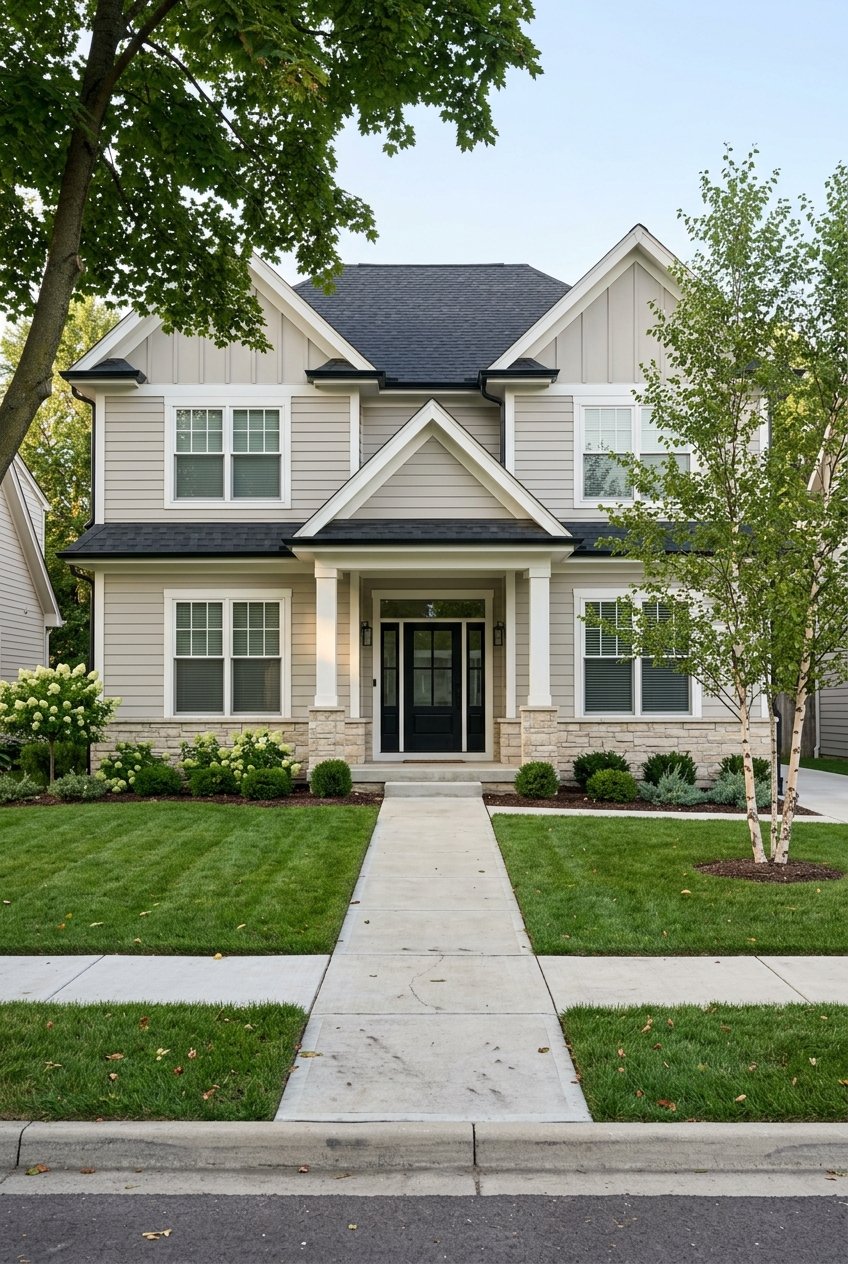
A recent example on Jenna Lane shows the kind of features many buyers associate with new construction. That home offered 3 bedrooms, 3 baths, 2,201 square feet, an open-concept kitchen with a large island, second-floor laundry, smart-home technology, a 2-car garage, and a sodded front yard. Another quick-delivery plan in Vista Ridge included 4 bedrooms, 2.5 baths, 2,475 square feet, a den, a 2-story family room, a walk-in pantry, granite counters, a basement, and an oversized corner lot.
These examples highlight a common theme. Newer Gurnee homes often appeal to buyers who want open layouts, current finishes, and less immediate repair work after closing. If you want a more move-in-ready feel with a modern floor plan, new construction may check a lot of boxes.
Benefits of buying new construction
New construction can simplify the early years of ownership. Because systems, materials, and finishes are newer, you may face fewer near-term replacements than you would with an older home. That can make budgeting feel more predictable right after your move.
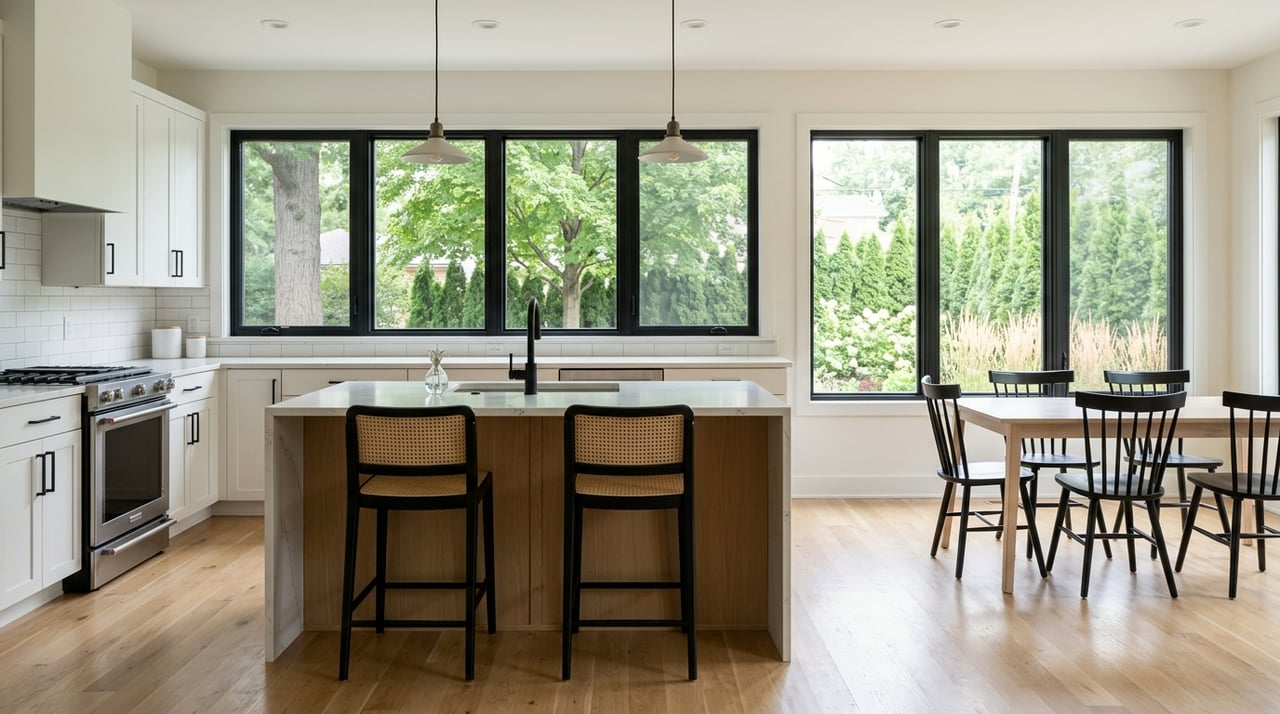
You may also like the layout. Newer homes often feature open kitchens, larger islands, upstairs laundry, flexible office or den space, and integrated technology. For many buyers, those features match how they actually live today.
Another plus is local oversight. As of March 1, 2026, Gurnee adopted the 2024 International Building Code and 2024 International Residential Code standards, and the village Building Safety Division reviews plans, issues permits, and inspects construction. That does not remove every risk, but it does mean new homes are built within a current local regulatory framework.
Trade-offs to expect with new homes
The biggest trade-off is often availability. Gurnee’s new construction appears to be happening in select pockets rather than everywhere, so you may have fewer choices in location, lot shape, and neighborhood character. If your ideal area has mostly established housing, new construction options may be limited.
You also need to look beyond the purchase price. One Jenna Lane example carried a $91 monthly HOA, which can meaningfully change your monthly ownership cost. Utility charges matter too, especially if you are building a full monthly budget instead of focusing only on mortgage payment.
Village utility rates are part of that picture. As of May 1, 2026, Gurnee’s water rate is $6.16 per 1,000 gallons, sewer is $1.93 per 1,000 gallons, and sewage processing west of I-94 is billed at $7.72 per 1,000 gallons. In other words, a newer home may reduce some repair concerns, but you still want to evaluate the full carrying cost.
What resale homes offer in Gurnee
Gurnee’s resale market is rooted in established neighborhoods with homes from different eras. The village subdivision list includes communities such as Providence Village, Stonebrook, Ravinia Woods, Timberwoods, and Prairie Oaks, among many others. That gives buyers a broad range of home styles, lot sizes, updates, and price points.
Resale homes can be especially appealing if you want more neighborhood maturity. In many established sections of Gurnee, you may find more settled streetscapes, larger trees, and homes with individual character rather than more standardized finishes. That can create a very different feel from a newer pocket of development.
You also may see more variation in the homes themselves. One resale can be extensively updated, while the next may need cosmetic work or larger system replacements. That range can create opportunities for both move-in-ready buyers and buyers who want to personalize a home over time.
Benefits of buying resale
Resale homes often give you more variety. You can compare different architectural styles, lot sizes, basement finishes, yard setups, and remodeling histories instead of choosing from a smaller set of builder packages or floor plans. If flexibility matters to you, resale may be the better fit.
You may also find larger lots or more established settings. A resale on Notting Hill Road, built in 2009, sold on a 0.93-acre lot with 4 bedrooms, 2.5+ baths, 3,204 square feet, and a 2-car garage. That example shows how some resale opportunities can deliver space and setting that may be harder to find in newer inventory.
Updated resale homes can also offer a nice middle ground. A Providence Village home built in 1990 and remodeled in 2020 sold with an updated kitchen, hardwood floors, a screened patio, fenced yard, wood-burning fireplace, and finished basement. For some buyers, that blend of original neighborhood character and later renovation is ideal.
Trade-offs to expect with resale
Condition is the biggest variable with resale homes. Unlike new construction, where most systems start on a similar timeline, resale homes may have components replaced at different points over many years. That means your inspection and budget review become especially important.
The Providence Village example shows how staggered maintenance can work in real life. That home had a roof from 2015, a furnace from 2010, A/C from 2011, and a water heater from 2025. None of that is necessarily a problem, but it does mean you should understand what may need attention sooner versus later.
Carrying costs can also surprise buyers here. That same Providence Village home had a $150 annual HOA, which is very different from the monthly HOA in the Jenna Lane new-build example. This is why comparing total monthly and annual ownership cost is more useful than comparing price alone.
How taxes affect your decision
Property taxes are a major part of ownership cost in Gurnee, so they should be part of your comparison from day one. In Lake County, homeowners may qualify for exemptions such as the general homestead exemption and the home improvement exemption. The county also notes that about 69% of the average tax bill goes to schools, while about 7% goes to Lake County government.
Timing matters too. Illinois property tax follows a local cycle that takes nearly two years, and assessors discover new construction by reviewing building permits. The statutory assessment level is one-third of market value, which means your tax picture may not line up neatly with your closing date.
For buyers comparing new construction versus resale, this matters in a practical way. A newer home may see tax changes on a different timetable than you expect, while a resale home may have a tax history that still needs a closer look. Either way, you want to plan for taxes as part of the full payment, not as an afterthought.
A simple way to compare your options
If you are deciding between new construction and resale in Gurnee, focus on the factors that will affect your life most over the next three to five years. That usually leads to a clearer answer than trying to chase the “perfect” home.
Here are a few smart questions to ask yourself:
- Do you want a move-in-ready home with newer systems and more standardized finishes?
- Do you prefer an established neighborhood with more mature landscaping or potentially larger lots?
- How much maintenance are you comfortable taking on in the first few years?
- Is layout more important to you than lot size or neighborhood feel?
- Have you compared HOA costs, utility costs, and likely tax impact for each option?
- Do you need flexibility on closing timeline, or would a quick-delivery or resale home work better?
In Gurnee, the answer is usually not about which category is better overall. It is about which trade-off fits your priorities better.
Which option fits different buyers
If you want modern features, less immediate repair work, and a more current layout, new construction may be the better match. Buyers who value open-concept living, upstairs laundry, newer materials, and a more turnkey feel often start there.
If you care more about lot size, neighborhood maturity, and a wider range of home styles, resale may offer better opportunities. Buyers who are comfortable evaluating condition and future maintenance often find more flexibility in the resale market.
Many buyers end up somewhere in the middle. A well-updated resale home can deliver much of the convenience of new construction while giving you an established setting and more individual character. In Gurnee, that middle ground is often worth serious attention.
No matter which path you choose, the best move is to compare homes with the full cost picture in mind. Price, taxes, HOA dues, utility costs, lot size, condition, and timeline all matter. If you want help sorting through those details in Gurnee, Elizabeth Scheffler can help you weigh your options and move forward with clarity.
FAQs
What is the main difference between new construction and resale homes in Gurnee?
- In Gurnee, new construction often offers newer systems, modern layouts, and less immediate repair work, while resale homes often offer more neighborhood variety, larger lots in some cases, and a wider range of conditions and updates.
Are there many new construction homes available in Gurnee?
- Current public examples suggest new construction in Gurnee is happening in select newer pockets and infill-style projects rather than one large new subdivision, so options may be more limited than resale inventory.
Do resale homes in Gurnee always need more maintenance?
- Not always. Some resale homes are extensively updated, while others have older roofs, mechanicals, or finishes. The key is to review each property’s condition and replacement timeline carefully.
How do HOA fees compare for Gurnee new construction and resale homes?
- HOA costs can vary widely. Research examples showed a new-build home with a $91 monthly HOA and a resale home with a $150 annual HOA, so it is important to compare total carrying cost instead of assuming one category is always cheaper.
How should Gurnee buyers think about property taxes when comparing homes?
- Property taxes are a major part of ownership cost in Lake County, and the Illinois property tax cycle can lag behind the closing date. Buyers should review likely exemptions, current tax history, and the possibility of future assessment changes when comparing homes.
Are utility costs important when buying a home in Gurnee?
- Yes. Village water and sewer rates, plus west-of-I-94 sewage processing charges where applicable, can affect your monthly budget. Utility costs should be part of the comparison along with mortgage, taxes, insurance, and HOA dues.